
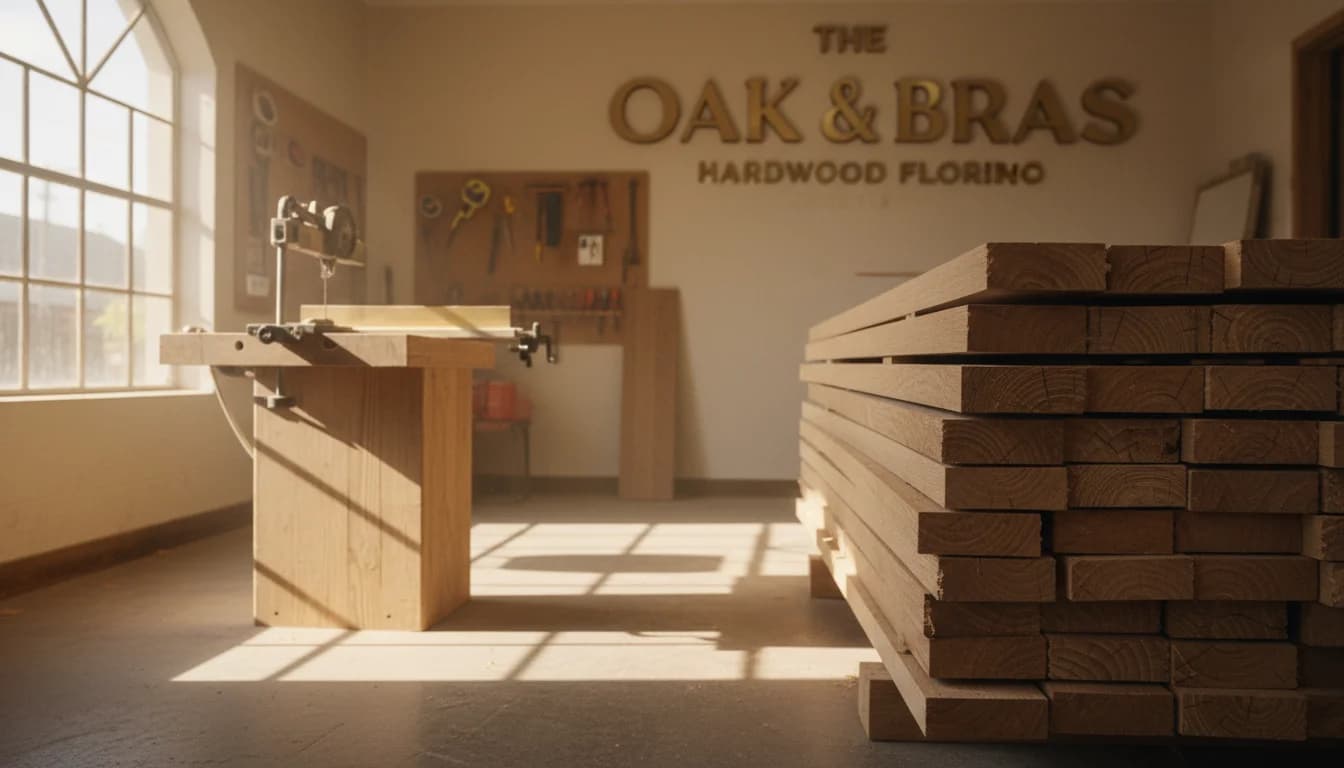
Plain Sawn
The most common cut in the US in Plain Sawn. The log is squared and sawed lengthwise in a series of parallel cuts. The annual growth rings are mixed throughout the face of the board, joining at the ends to form a “Cathedral Arch.” These boards are ideal for large visual areas like whole floors.
Live Sawn
This is the simplest way to cut a log and is very popular in European and Asian mills. Live Sawn boards contain a variety of characteristics in the grain. The top/bottom 25% contain the same select boards as you see in the plain sawn diagram. The middle 50% is where you get the best mix. The center of the boards will contain the cathedral arches while the outside of the boards will have a straighter grain, rift, and quartered mix.
Quarter Sawn
Quartersawn boards are created by first cutting a log into quarters and then making a series of parallel cuts, perpendicular to the tree’s rings, cutting on the radius. This also makes quarter sawn boards less likely to bow, warp, or twist than plain sawn.
These boards have end grain with growth rings of 60 – 90 degrees to the surface where the medullary rays of the lumber are split during the cutting process causing a unique “fleck” pattern to emerge. This pattern is most pronounced in White Oak flooring creating a very unique look.
Rift Sawn
The final cut is rift sawn. In this cutting method, the log is still quartered and then cut. As the cuts get closer to the outside of the log, the angel of the grain changes to 30-60 degrees, reducing the number of ray flecks appearing in the wood. This makes it easy to match boards for a uniform appearance.
Parquet
A form of parquet flooring, herringbone arranges wooden blocks in a zig-zag pattern to produce beautiful results. As the name suggests, herringbone is a design inspired by (of all things) a fish. More to the point, the skeleton of a fish!
A trick to know if your wood installer is overall adequate enough to demonstrate an advanced level of craftsmanship is to ask how much experience they have with installing herringbone floors. This type of flooring requires meticulous measurement and angle precision!
The herringbone flooring pattern itself catches the eye immediately with its 90 degree interlocking slats, and can make any room in your home pop to life. Because it bends space to get the full effect of the pattern, herringbone flooring can look great in large sitting or dining rooms or long hallways. The size your herringbone pattern should depend partly on your personal aesthetic and partly on the size of the room. Larger rooms can sustain a larger, more sprawling herringbone pattern, while smaller rooms look better with a smaller, more compact pattern.
One vs. Multiple Colors
You do NOT need to conform to a single color when choosing the perfect combination for your herringbone surfaces. You can either evenly alternate colors per slab, or even per column! The variation and possibilities are endless!
Double vs. Diagonal
Double and diagonal herringbone are both available to further personalize your living surroundings, and can be utilized separately or mutually. Double designs tend to be easier on the eyes, especially when implemented in smaller rooms.
Whatever the case may be, using a herringbone pattern in your home will definitely make your home unique!
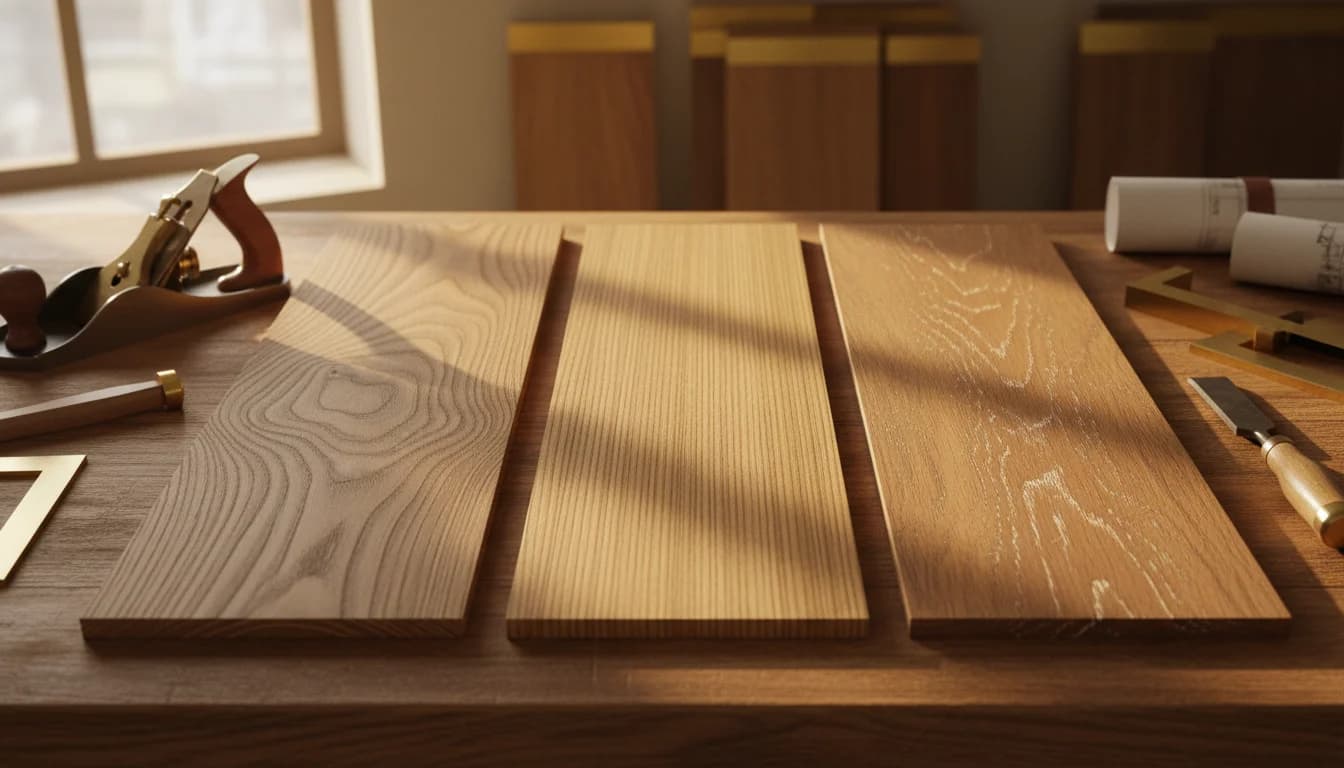
Wood Cuts and Grain Pattern Differences
Plain Sawn The most common cut in the US in Plain Sawn. The log is squared and sawed lengthwise in a series of parallel cuts. The annual…
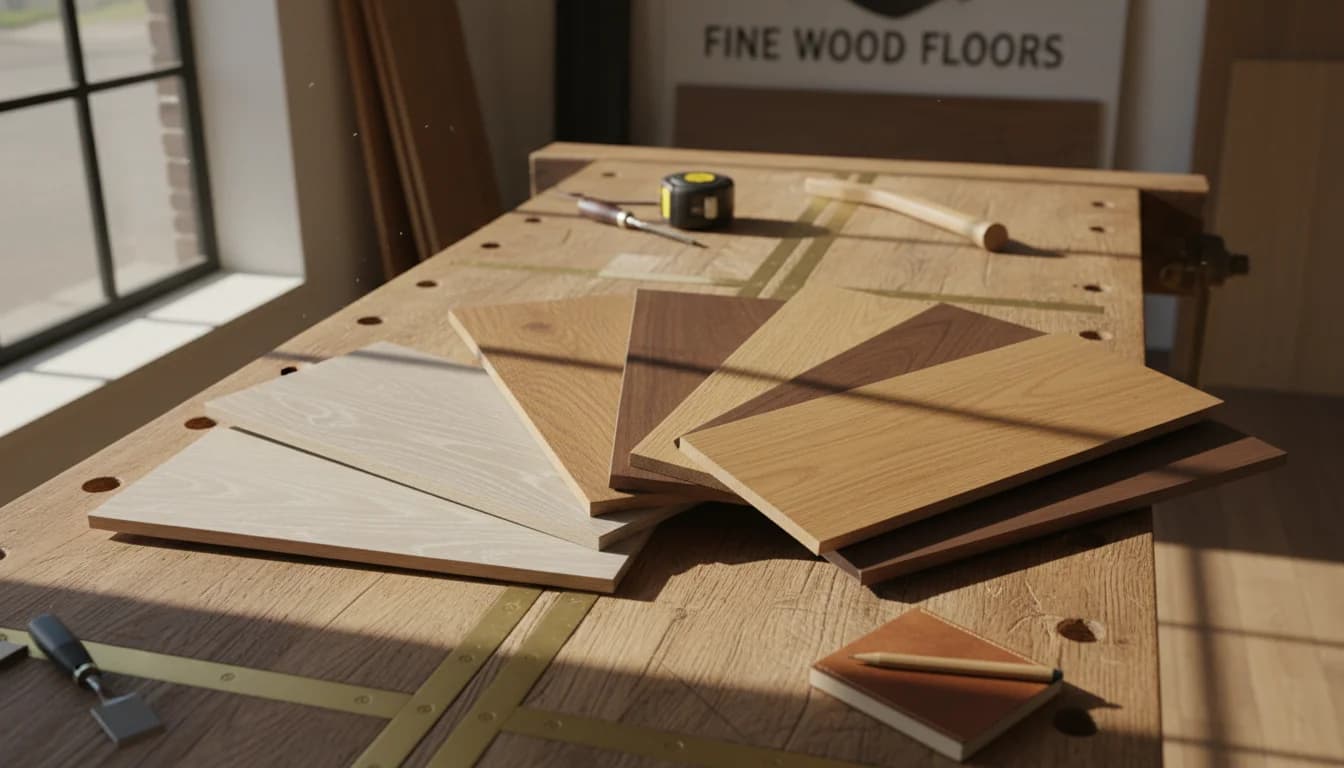
Hardwood Flooring Species Guide
If you’ve spent any amount of time looking at hardwood flooring and trying to choose the best option for your home, you know that it’s not…
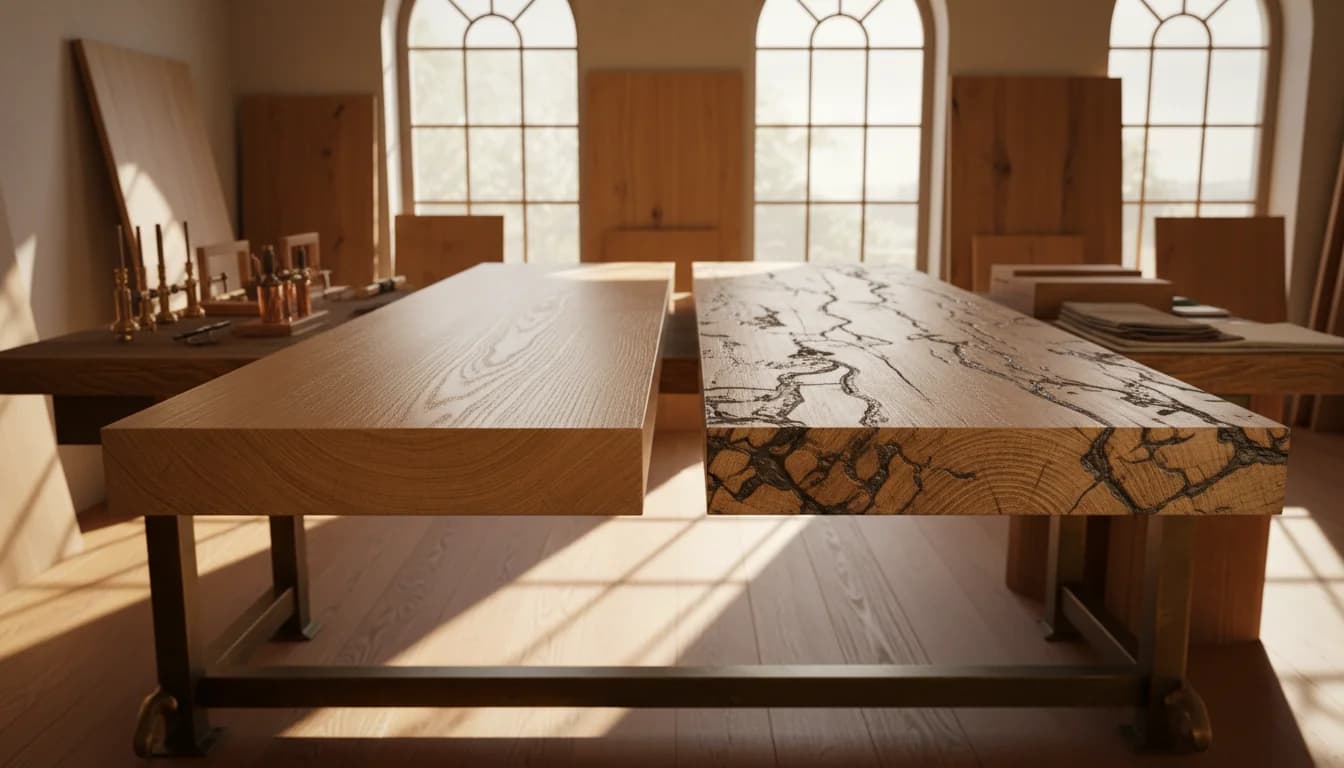
Understanding Wood Grades
Hardwood floor grade focuses mostly on appearance. With aesthetics being the primary factor in determining grade it is an important part of…