
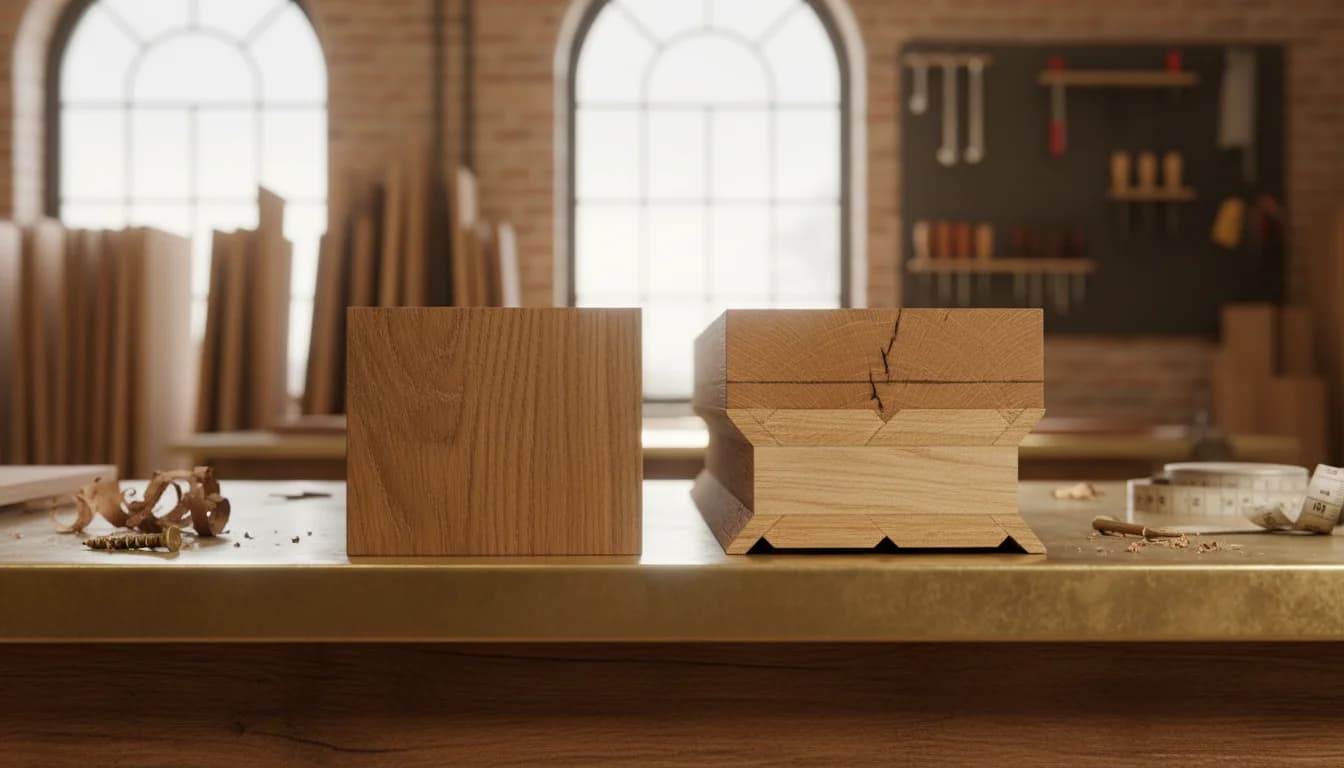
When you’re preparing for a new floor installation there are many decisions to make regarding style, cost, maintenance requirements, and more. Trends come and go throughout the years, but there is one style that is timeless; hardwood flooring. Today, there are several options available to just about everyone. We are going to dive deep into the pros and cons of luxury vinyl, engineered wood, and solid hardwood.
Appearance and Comfort
Luxury Vinyl: While luxury vinyl is not actually wood, it looks nearly identical to hardwood. In recent years companies have made incredible progress in making vinyl look just as stunning as true hardwoods. A downside, however, is that your customization options are quite limited. What is available is what you have to choose from. If you’re looking for something simple, luxury vinyl is an excellent choice.
Engineered Hardwood: It looks almost identical to solid wood and that’s because the top and bottom layers are real hardwood. Unlike luxury vinyl, you have a few more options are far as customization goes. Typically, engineered hardwood will be pre-finished, but some companies will sell the wood without pre-finishing it.
Solid Hardwood: There is simply nothing like the timeless, natural beauty of solid hardwood floors. If you’re looking for something to bring character and life into your home then it is a no-brainer that solid hardwood is the way to go. There is also a significantly wider range of customization options as opposed to luxury vinyl or engineered hardwood. You can choose from a long list of wood species, colors, finishes, plank size, and stains.
Maintenance and Care
Luxury Vinyl: Luxury vinyl is very easy to care for and you don’t have to shell out extra money for special cleaning products and equipment. Simply break out the broom and mop and get to work! Should any damage occur on your vinyl floors it is very easy to replace. The planks are resistant to scratches and moisture build-up so this is an excellent option for those with small children and pets.
Engineered Hardwood: Maintenance is similar to that of solid hardwood. You’ll want to avoid using too much water on your floors as it can be absorbed by the wood which causes problems like warping and potentially mold. Depending on the thickness of the first layer of wood, sanding and refinishing are a possibility. If your engineered hardwood was finished on site, that makes it much easier to sand down. As always, check with your hardwood professional before scheduling a refinish.
Solid Hardwood: While you can’t use just any product on hardwood, maintenance is still relatively easy. Talk to your installer about recommended cleaning products as they vary depending on finish. As long as you’re using safe products, it’s just a matter of daily cleaning and the occasional deep clean. Solid hardwood can also be sanded and refinished if they are getting a bit too worn, has seen some water damage, or scratches from heavy furniture, children, or pets.
Lifespan
Luxury Vinyl: This type of flooring has the shortest lifespan of all, although it still lasts quite a while, aging out at 15-20 years with normal cleaning and care. If you are truly diligent about cleaning and maintaining your floors, your luxury vinyl could last up to 50 years. In this regard, you are absolutely getting what you pay for.
Engineered Hardwood: Engineered hardwood can last up to 30 years with proper maintenance and cleaning. If you find your floor is looking worn out or showing signs of damage and refinishing is not an option, engineered hardwood is relatively easy to replace.
Solid Hardwood: Solid hardwood has an extremely long lifespan. If you’re taking care of it properly, your hardwood floors could last you a lifetime. Many older homes have higher price tags because of the original hardwood floors in the house.
Cost
Luxury Vinyl: This is the cheapest option out of the three. You can purchase planks for as cheap as $3 per square foot. For some of the more expensive styles and manufacturers, you may see some listed for up to $18 per square foot. Compared to solid hardwood or engineered hardwood, you can save a great deal of money by choosing this option.
Engineered Hardwood: Engineered hardwood falls right in the middle as far as cost. It can be more expensive than luxury vinyl and cheaper than solid hardwood, but this all depends on the size of your project, the manufacturer you purchase from, and the type of wood you choose.
Solid Hardwood: This is the most expensive option, but again; you are getting what you pay for. Installing brand new hardwood floors is not the cheapest project by any means, however, the resale value of your home will skyrocket when you decide to sell. Solid hardwood almost pays for itself in this regard.
Installation
Luxury Vinyl: This involves a simple installation process where most of the time the floor will be installed using a click and lock method. Cheaper vinyl, however will need to be glued down as it does not have the tongue and groove to lock into place.
Engineered Hardwood: The installation process typically uses the glue down method, making for an easier and quick installation as well as replacing the floor if needed.
Solid Hardwood: Installing solid hardwood is a bit more of a process than engineered wood or luxury vinyl. The planks are glued or nailed down to a sub-floor like concrete or plywood. The installation process also involves the tongue and groove method, making for smoother surfaces and no visible nails in your floors. If the wood is unfinished the floor needs to be sanded and finished after the installation making for a longer process.
Water, Heat, and the Environment
Luxury Vinyl: Out of the three on this list, luxury vinyl is hands down the most forgiving when it comes to moisture and scratching damage. If you want hardwood throughout your home, choosing a luxury vinyl for your bathroom or basement would be the best solution to prevent future swelling or warping should a leak occur. This option is also great for over-flooring heating systems.
Engineered Hardwood: While engineered hardwood does perform better in humidity and is less susceptible to warping and swelling, it is still highly recommended that you avoid using water when cleaning. Check out our post about recommended cleaning and maintenance products and always talk to your hardwood professional if you are unsure.
Solid Hardwood: Solid hardwood is more sensitive to moisture and humidity. It’s not a great choice for high humidity areas such as bathrooms and basements due to the risk of a leak or spill. Depending on the wood species you use, your floor’s moisture resistance can vary as some species are more sensitive than others.
Summary
In short, there really is no wrong solution. Whichever you choose, you’re going to have stunning, long-lasting floors that will change the entire dynamic of your home. The pros and cons of each are entirely dependent on your needs and lifestyle. Some people with children and pets may prefer luxury vinyl due to the risk of damage, while others may be willing to stay on top of maintenance and find the reward of solid hardwood worth it. It’s all about personal preference!
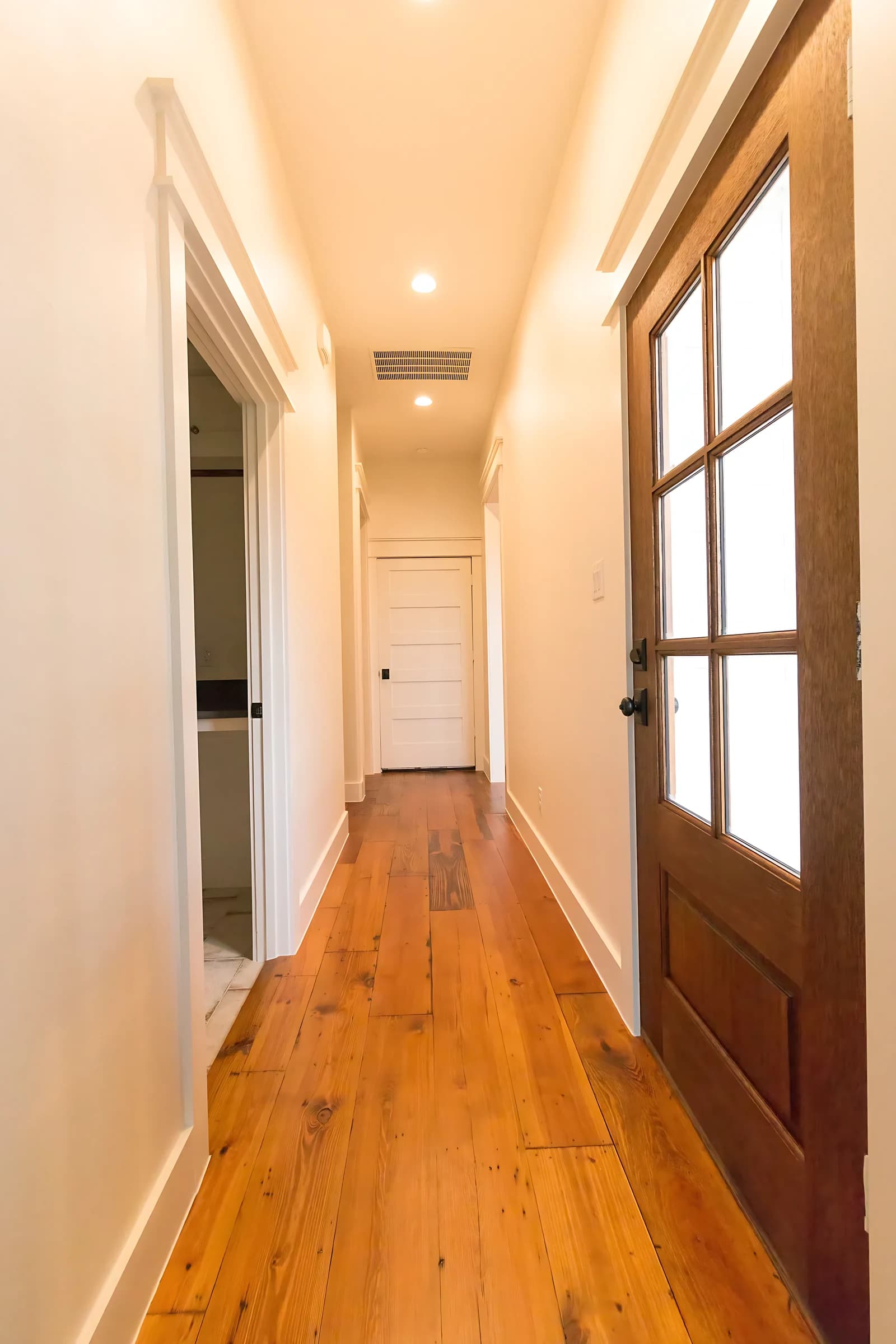
Hardwood Benefits
Looking for the right type of flooring for your home? Hardwood flooring will always add a timeless touch to any home. There are many…
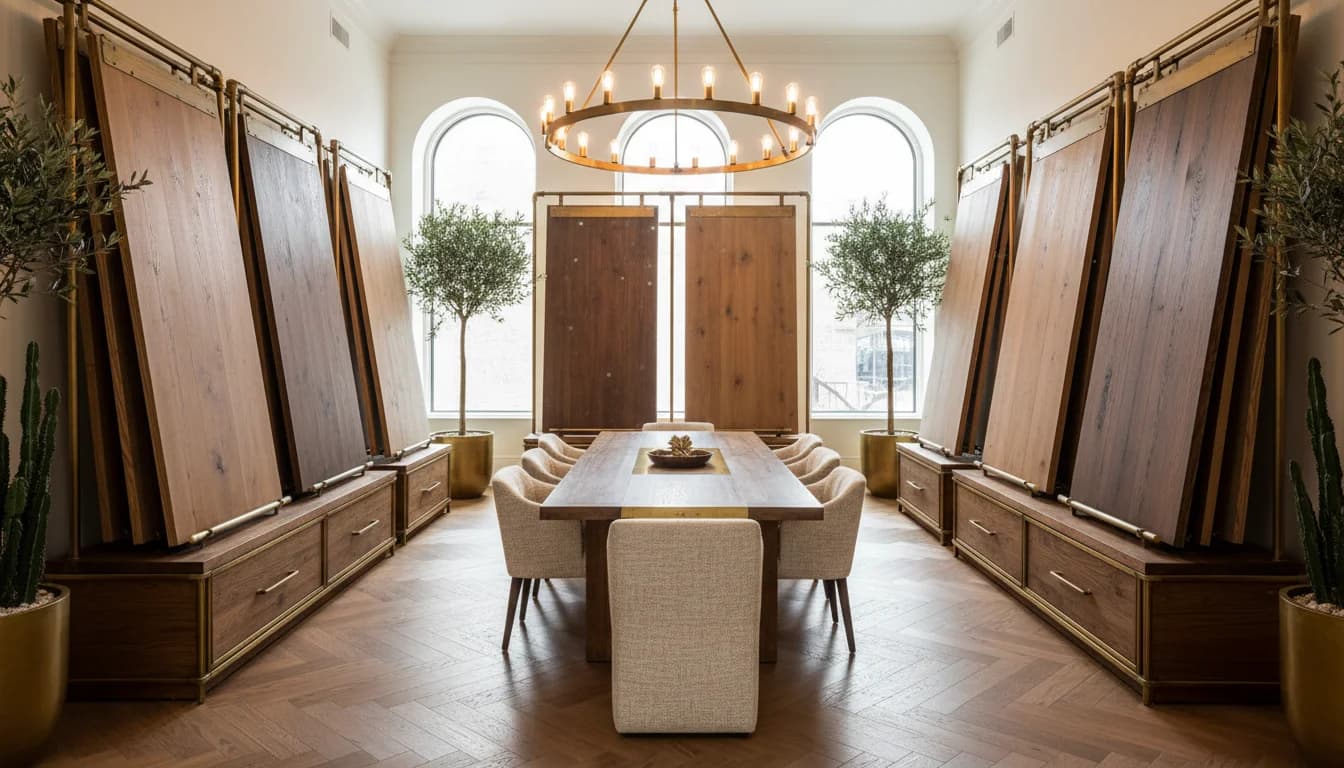
Why Showrooms are Important
The showroom remains now and forever will be the best place for a home owner/builder/designers to get their hands on the potential product…
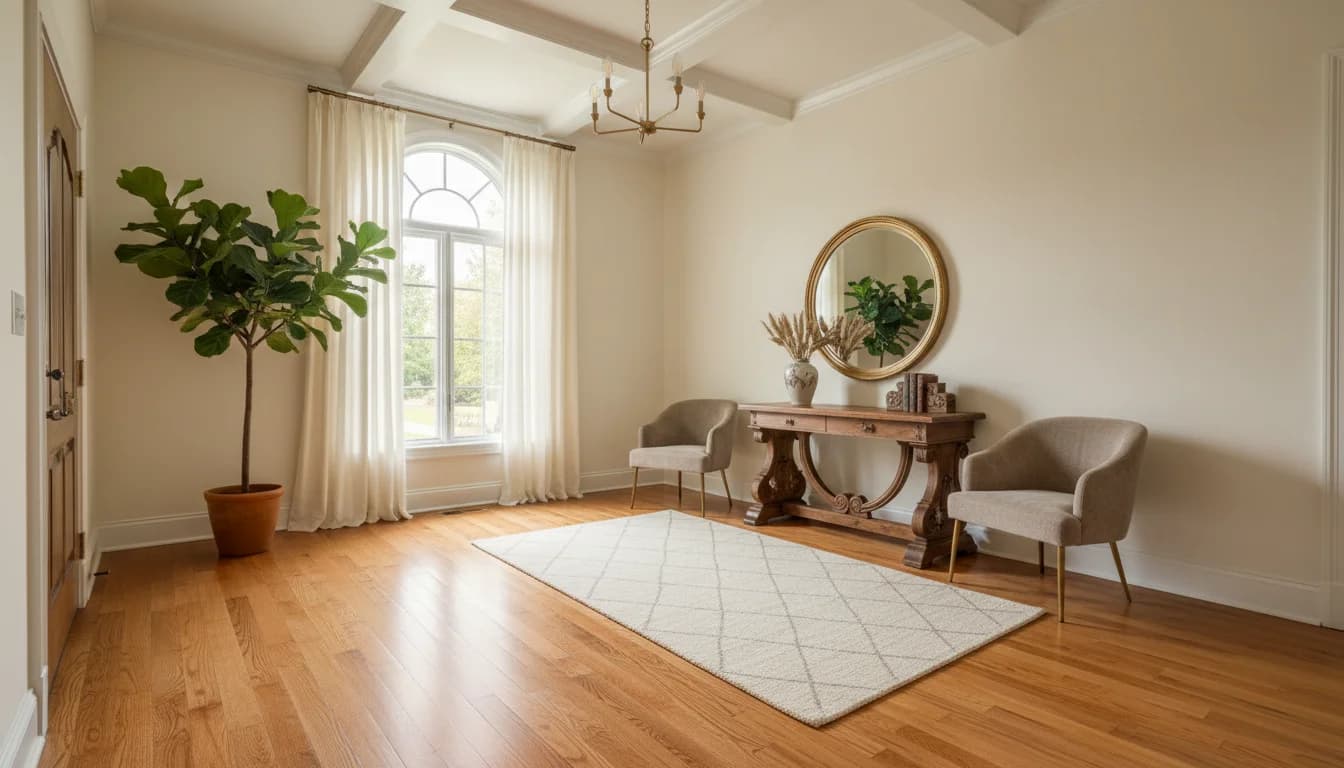
Does Wood Add Value to Your Home?
If you’re thinking you’ll be selling soon, your home value will substantially increase by adding hardwood flooring, not to mention the WOW…